
None
None
Long Story Video Skill
Turn your idea into 10s–10min video—AI writes scripts, prompts, and generates footage automatically.
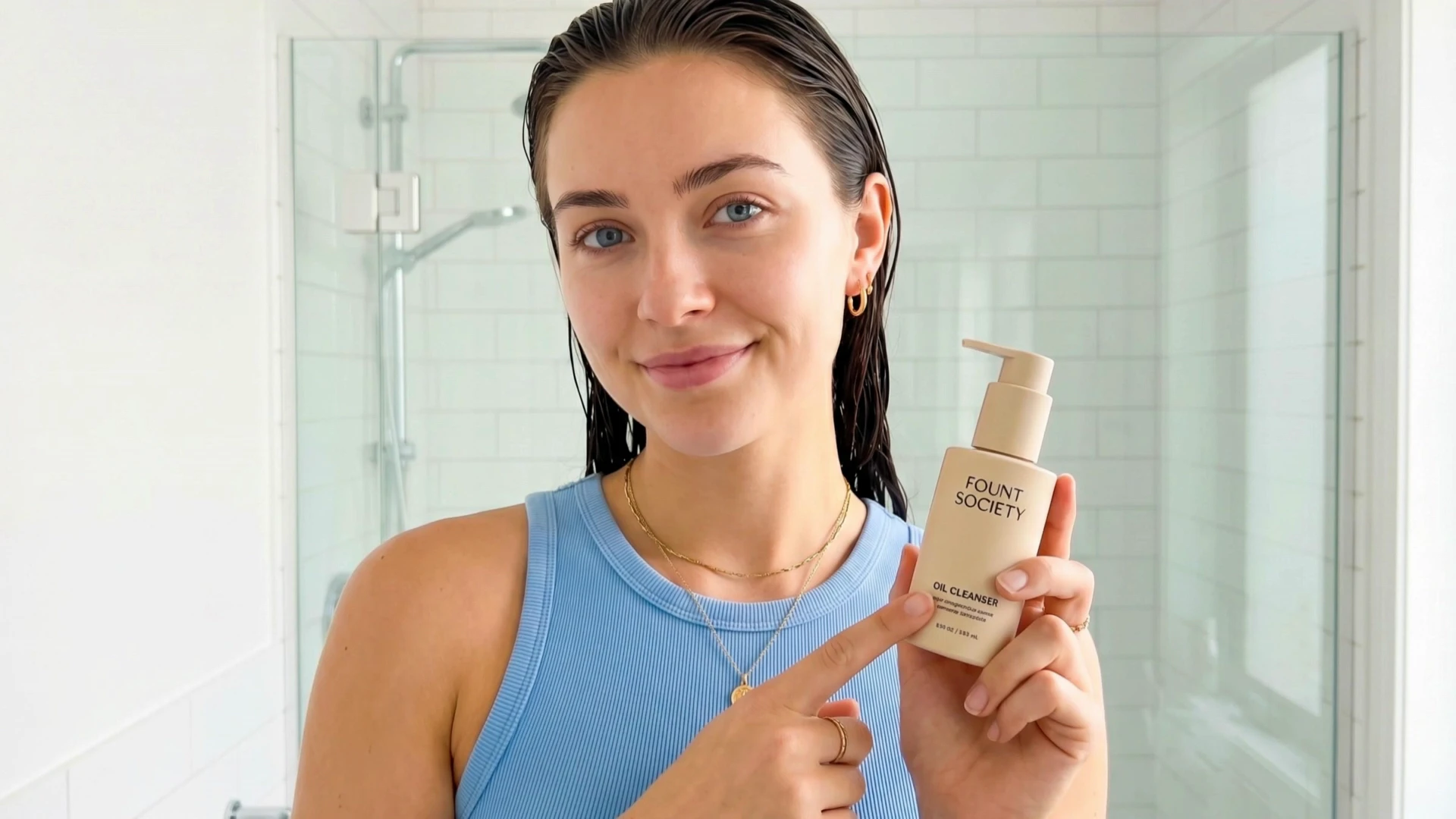
Ads Video Skill
Generate professional ads and sales videos—AI auto-generates scripts, prompts, and footage.
3D Science Explainer Video Skill
Convert scientific concepts into stunning 3D explain animations
Feedback
freeTrialImage.bannerPity
freeTrialImage.upgradeUnlock
- ✓freeTrialImage.benefitHd
- ✓freeTrialImage.benefitWatermark
- ✓freeTrialImage.benefitUnlimited
Minimax H3 Lora
Stack up to three H3 adapters, render from a prompt or a still, or teach your own MiniMax H3 LoRA from clips — all inside one browser workspace.
All Tools
Discover our comprehensive AI-powered animation toolkit
MiniMax H3
MiniMax H3 AI Video Generator
Seedance 2.5
The Future of AI Video Is Here.

Seedance 2.0
The Future of AI Video Is Here.
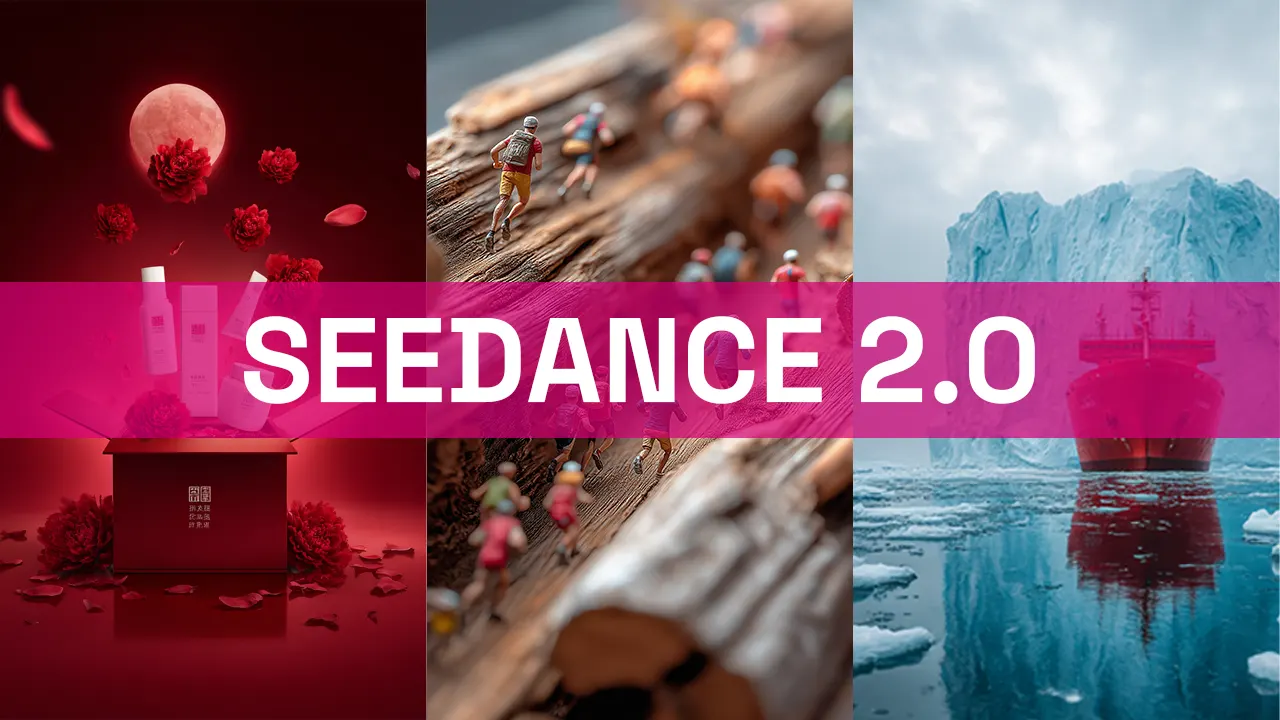
Seedance 2.0
The Future of AI Video Is Here.
Gemini Omni
Gemini Omni Video Generator

AI Multi-Scene Shorts Generator
Create viral AI Shorts instantly

3D Science Video
Create 3D science videos easily

AI Educational Video Generator
Generate Educational videos easily
Not Every MiniMax H3 LoRA Does the Same Thing
Acceleration, identity, style, and motion weights share the MiniMax H3 LoRA label, yet each one touches a separate layer of how the model samples and renders.
- Speed-Oriented (Turbo) WeightsTrained to trim sampling steps so a render completes sooner. It carries no face, product, or brand of yours — only pace.
- Identity and Style WeightsPhotos feed it a face, an item, a palette, a lighting mood, or a visual direction; what comes back depends on the checkpoint and loader it runs against.
- Motion and Clip WeightsThe newest and least settled route: short footage passes along gestures, camera moves, or a repeatable effect, and audio is frequently left out of training.
Three Steps to a Finished MiniMax H3 LoRA Clip
Attach MiniMax H3 LoRA weights that match the model, pick a workflow, then test the result against the base render before committing to a bigger batch.
What the MiniMax H3 LoRA Workspace Supports
Stereo sound straight from the model, several MiniMax H3 LoRA files per run, reference-driven control, cloud training, ComfyUI graphs, and hard compatibility rules.
Text, Image, Video, and Audio Read Together
H3 takes prompts, stills, clips, and sound as a single input and returns footage with stereo audio baked in — as long as 15 seconds at 2K.
Several Adapters per Run
The hosted text and image pipelines accept as many as three adapters written for H3 at the same time.
Numbered Reference Control
Tag images, clips, and audio with numbers, then bind them to your adapters for a firmer grip on casting, framing, and soundtrack.
Cloud Training for Video and Audio Weights
Upload a clip dataset and the trainer returns weights plus configs you can download; every finished run is archived under My LoRAs.
ComfyUI Graphs Ready to Import
Comfy-Org publishes a separate graph for each mode, and every one lists the video VAE, audio VAE, diffusion checkpoint, and text encoder to load.
Adapters Only Fit Their Own Model
Align the partition, checkpoint format, loader, and graph first — weights made for Flux, Krea, Qwen, Z-Image, Wan, or LTX will not run here.
MiniMax H3 LoRA Questions, Answered
Straight answers on adapter categories, cloud training, ComfyUI compatibility, and whether motion weights pick up audio.
So what exactly is a MiniMax H3 LoRA?
Think of it as a small weight pack bolted onto the H3 video model. Depending on its training, it may shorten sampling, lock a face or item, transfer a look, or imitate movement from footage.
Is every MiniMax H3 LoRA a Turbo one?
No. Turbo packs are purely about fewer steps; identity, style, and motion packs are customization tools that change what appears in the frame.
Can I train one online instead of locally?
Yes. LoraAI hosts Fal H3 video and audio training straight from your clips; results download as weights and configs and stay in My LoRAs. Running them on the WaveSpeed generator is untested.
Will it load inside ComfyUI?
Provided the file matches the checkpoint and loader in your graph. Start from an official H3 base template, then copy the loader, strength, sampler, scheduler, and step values from the model card.
Appearance or motion — which one do I need?
Choose appearance when a face, item, or look must stay recognizable, and feed it stills. Choose motion when the point is movement — gestures, camera paths, a recurring effect — and feed it clips.
Do motion weights also learn the soundtrack?
That varies by trainer. This site's Fal H3 image-to-video trainer does read audio tracks, so muted footage trains on silence; other implementations may capture only visual timing.
Run a Matching MiniMax H3 LoRA in Your Browser
Upload MiniMax H3 LoRA weights built for the model, jump between prompt and image starts, fine-tune motion and sound, or train new video and audio packs from your own clips and keep them in My LoRAs.